
From Conviction to Pardon
An Officer and a SpyThis thread tracks the legal and political turns that repeatedly delay justice even as evidence against the original conviction accumulates.
increasing Bearing strength in each event
 decreasing
Bearing strength in each eventdecreasingA Silent Convict
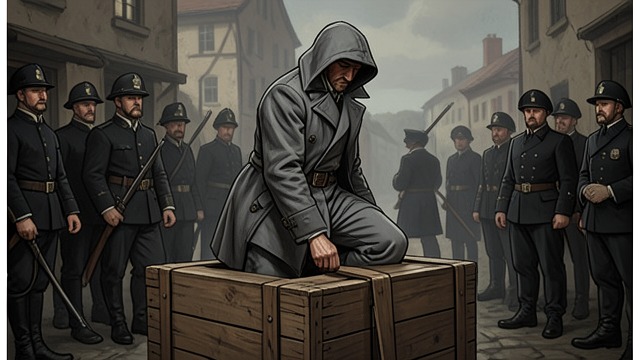
A Silent Convict
Exile enforced
Alfred Dreyfus is transported from Île de Ré to Devil’s Island under severe restrictions. His family’s attempts to communicate with him are controlled by colonial and military officials.
The case is declared closed
The state treats punishment as a final answer. In reality, Dreyfus’s letters and the continued surveillance of his family preserve a dispute that the government hopes will disappear.
A Military Inquiry
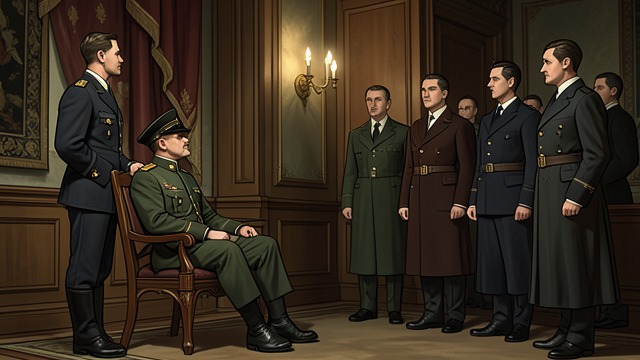
A Military Inquiry
Picquart on trial
After Esterhazy is acquitted, Georges Picquart is questioned by General Pellieux. The inquiry focuses on Picquart’s conduct rather than the central evidence against Esterhazy.
Reversal of scrutiny
Witnesses accuse Picquart of fabrication and leaking secrets. The institution turns the investigator into the defendant, attempting to protect the original verdict by discrediting its challenger.
Zola’s Challenge
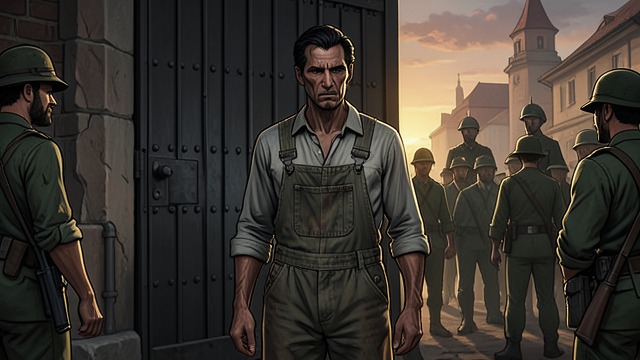
Zola’s Challenge
Public indictment
Émile Zola publishes J’Accuse…! in L’Aurore, accusing senior officers and the courts of sustaining a miscarriage of justice. His intervention makes the affair impossible to contain within military procedure.
A trial becomes a platform
The government prosecutes Zola for libel. The courtroom exposes arguments about the cover-up to public scrutiny, even as the case is narrowed to protect the army.
The Rennes Defeat
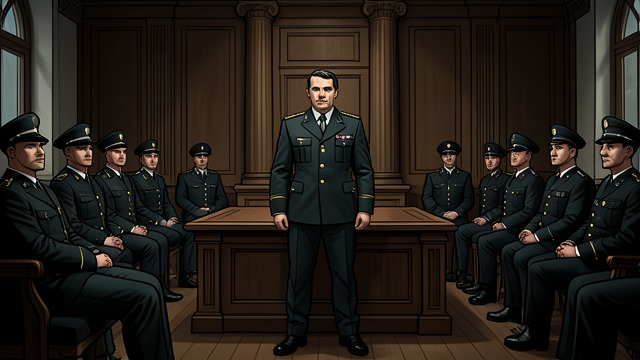
The Rennes Defeat
Evidence meets authority
At Rennes, Georges Picquart testifies about Esterhazy, the bordereau, and the secret file. The defense presents a powerful case, but the military court still convicts Dreyfus.
A compromised release
Facing Dreyfus’s grave illness, his family accepts a pardon. It frees him physically while leaving the conviction technically intact, a painful compromise between survival and vindication.
Legal Vindication
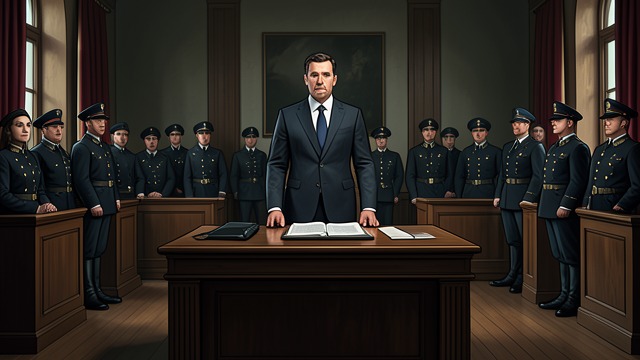
Legal Vindication
Renewed examination
Jean Jaurès’s parliamentary case and General André’s inquiry lead the courts to revisit the record. The accumulated evidence is assessed outside the original military process.
Restoration
The Court of Cassation overturns the Rennes verdict in 1906. Alfred Dreyfus and Georges Picquart return to the army, though justice arrives years after the personal and professional damage.
January 1895
January 1898
13 January 1898
September 1899
1903–1906
